Not every couple feels comfortable standing in front of a camera. Some people become stiff when a photographer asks them to pose, while others feel unsure about where to look, what to do with their hands, or how to smile naturally. If you and your partner feel awkward being photographed, the thought of spending hours taking wedding pictures may seem stressful.
The good news is that you do not need to become professional models to have beautiful wedding photographs. The best pictures often come from genuine moments rather than complicated poses. A shared laugh, a quiet conversation, a walk together, or a simple handhold can create more meaningful photographs than a perfectly arranged pose.
The key is to plan your photography around your personalities and comfort levels. Choose a photographer who understands your concerns, allow enough time for pictures, and focus on activities that help you forget the camera is there.
Here are practical wedding photo ideas for couples who feel awkward in front of a camera, along with tips to make the photography experience more relaxed and personal.
1. Choose a Photographer Who Understands Camera-Shy Couples
Your photographer can make a significant difference in how comfortable you feel. A photographer who constantly gives complicated instructions or expects you to know how to pose may increase your nervousness.
Look for someone whose portfolio includes natural-looking couples, candid wedding moments, and relaxed portraits. During your consultation, explain that you are not comfortable posing and would prefer gentle direction rather than being told to perform for the camera.
Ask questions such as:
- How do you help couples who feel uncomfortable being photographed?
- Do you give simple posing instructions?
- Can you capture candid moments without interrupting them?
- How much time do you usually need for couple portraits?
- Can we take short breaks if we start feeling uncomfortable?
A good photographer should listen to your preferences and adapt their approach. You should not feel pressured to copy poses from their portfolio if those poses do not feel natural to you.
If possible, arrange an engagement session before the wedding. It gives you an opportunity to become familiar with the photographer, understand their direction, and discover which types of pictures feel comfortable.
2. Focus on Candid Moments Instead of Constant Posing
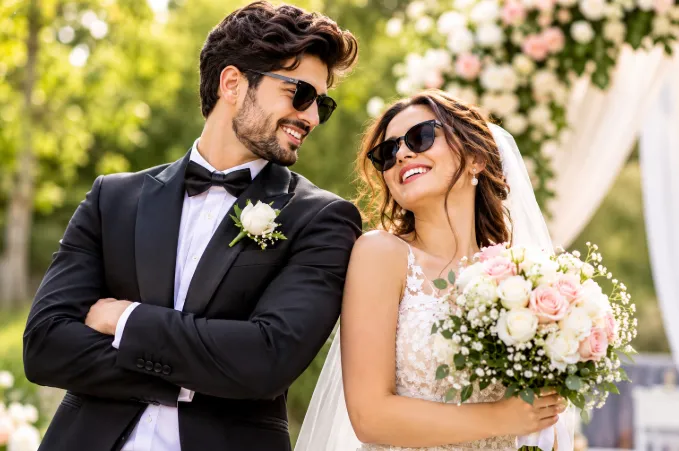
Candid photography is an excellent choice for couples who dislike being in front of a camera. Instead of asking you to hold a particular position, the photographer captures genuine interactions as they happen.
These moments might include:
- Laughing together after someone makes a joke.
- Looking at each other while walking.
- Fixing your partner's outfit.
- Holding hands while waiting for the ceremony.
- Sharing a quiet conversation.
- Smiling at each other during the reception.
- Enjoying a private moment after the ceremony.
Candid photographs often feel more personal because they show how you naturally interact rather than how you think you should look.
Tell your photographer that you would like a mixture of candid photographs and a few traditional portraits. This gives you variety without making the entire session feel like a series of formal poses.
Remember that candid does not mean completely unplanned. Your photographer can choose good lighting, suitable backgrounds, and the right moments to capture while allowing you to behave naturally.
3. Try Simple Poses That Do Not Feel Like Posing
You do not need complicated poses to create attractive wedding photographs. Simple positions are often easier to hold and look more natural.
Start with comfortable options such as:
- Standing side by side while holding hands.
- Facing each other with your hands gently connected.
- Standing close with one partner's arm around the other's waist.
- Looking at each other instead of directly at the camera.
- Sitting together on a bench.
- Walking slowly while holding hands.
Your photographer can make small adjustments to your posture, hand placement, and position without changing the overall simplicity of the pose.
If you feel uncomfortable looking directly into the camera, look at your partner instead. If smiling on command feels unnatural, try talking or sharing a small joke.
The purpose is not to find a pose that looks perfect in every photograph. It is to find positions that allow you to relax.
4. Use Walking and Gentle Movement to Look More Natural
Standing still can make camera-shy couples feel especially awkward. You may become too aware of your posture, facial expression, and hands.
Movement gives you something to do and makes it easier to forget about the photographer.
Consider these ideas:
- Walk slowly toward the photographer.
- Walk away together while holding hands.
- Take a short walk through the wedding venue.
- Let one partner gently lead the other.
- Walk side by side while talking.
- Pause during a walk and look at each other.
- Slowly turn toward each other while holding hands.
Your photographer can take several pictures during these activities. Some may show you looking at each other, while others capture natural expressions as you move.
Avoid walking too quickly or repeatedly trying to recreate the same moment. Move at a comfortable pace and allow the photographer to work around you.
5. Take Advantage of Your Wedding Venue
Your venue can provide beautiful photography opportunities without requiring elaborate posing.
Look for places where you can comfortably spend a few minutes together. A quiet garden, attractive staircase, window, balcony, courtyard, or decorated entrance can provide a natural background.
Here are some ideas:
- Stand together beneath an attractive entrance.
- Walk along a garden pathway.
- Sit on a staircase or outdoor bench.
- Take a picture near a large window.
- Stand beneath decorative lights.
- Share a quiet moment in a courtyard.
- Use an architectural feature as a natural frame.
You do not need to visit several locations for the sake of variety. A few carefully chosen spots are often enough.
Ask your photographer to identify suitable locations before the wedding day. This prevents you from spending valuable photography time walking around and deciding where to take pictures.
If your venue has limited natural light, discuss lighting arrangements in advance. A skilled photographer can use window light, portable lighting, and suitable camera settings to create attractive photographs indoors.
For more practical advice, see how to take wedding photos in a venue with limited natural light.
6. Capture Close-Up Pictures Without Forcing Expressions
Not every wedding photograph needs to show your entire body or a dramatic pose. Close-up pictures can capture small details and genuine emotions without requiring much movement.
Useful close-up ideas include:
- Your hands holding each other.
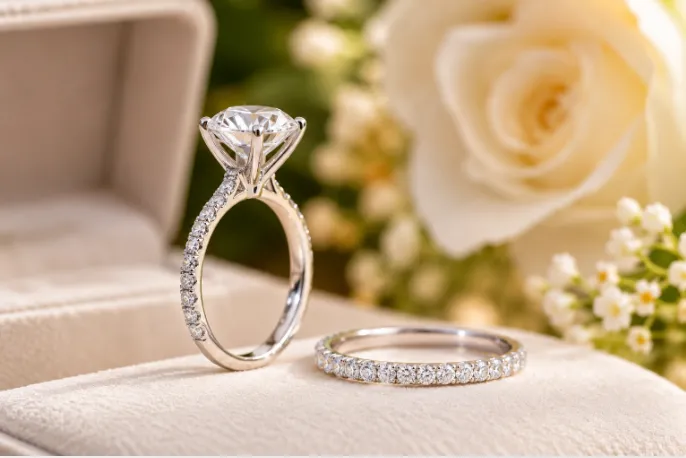
- Your wedding rings.
- Your partner adjusting your veil or tie.
- A gentle smile while looking at each other.
- Your foreheads touching.
- A quiet moment with your eyes closed.
- Your hands resting together during the ceremony.
These photographs are especially useful if you feel uncomfortable posing for full-length portraits.
Your photographer can also capture close-up details while you are naturally interacting. For example, a photograph of your hands together can be taken while you are walking or sitting.
Avoid forcing expressions for close-ups. A relaxed face and comfortable posture usually look better than an exaggerated smile.
7. Include Wedding Details That Tell Your Story
Your wedding album should not consist entirely of portraits. Detail photographs add variety and help tell the story of your day.
Ask your photographer to capture meaningful items such as:
- Wedding rings.
- Invitations and stationery.
- Bridal accessories.
- Shoes and outfits.
- Flowers and bouquets.
- Table decorations.
- Personal gifts.
- Family heirlooms.
- Ceremony decorations.
You can also include details that have personal meaning to your relationship. Perhaps you exchanged handwritten notes, selected a particular song, or included a family tradition in the ceremony.
These pictures provide visual breaks between portraits and help make the final album feel more complete.
If you have specific details that matter to you, tell the photographer before the wedding. Small items can easily be overlooked when the day becomes busy.
8. Choose a Few Meaningful Photography Locations
You may feel more relaxed when photographs are taken somewhere familiar or meaningful rather than in a crowded area where everyone is watching.
Consider locations such as:
- A quiet corner of the wedding venue.
- A garden where guests are not gathering.
- A balcony with an attractive view.
- A peaceful outdoor pathway.
- A room with good window light.
- A location connected to an important memory.
You do not need a large number of locations. Moving around too much can make the photography session tiring and reduce the time you spend enjoying your wedding.
Choose two or three suitable locations and allow your photographer to plan the sequence. This keeps the session organized while giving you enough variety.
9. Keep the Couple Photography Session Short and Manageable
A long photography session can make camera-shy couples increasingly uncomfortable. After repeating poses for an extended period, you may start feeling tired or self-conscious.
Instead, discuss a focused photography session with your photographer. Agree on the most important pictures and avoid unnecessary repetitions.
A practical session might include:
- A few traditional portraits.
- Walking photographs.
- Close-up pictures.
- A few photographs at a meaningful location.
- Natural interactions between the two of you.
The exact duration depends on your venue, lighting, travel between locations, and the number of photographs you want. Your photographer can recommend a realistic schedule.
It is also helpful to separate essential pictures from optional ones. If time becomes limited, you will know which photographs matter most.
A shorter, well-planned session can produce a varied album without making photography feel like the main event of your wedding.
10. Schedule Photography at a Time That Works for You
Timing can affect both the quality of your pictures and your comfort.
If you are already feeling rushed, hungry, or tired, it may be harder to relax in front of the camera. Avoid scheduling couple portraits immediately after a stressful part of the wedding day if possible.
Consider these options:
Before the ceremony: A first-look session can give you private time together and allow you to take some portraits before guests arrive.
After the ceremony: You can take photographs while emotions are still fresh, but make sure guests and family responsibilities do not create unnecessary pressure.
During the reception: A short session can provide additional photographs, especially if the venue looks attractive after sunset.
Near sunset: Outdoor photographs may benefit from softer natural light, depending on the weather and location.
Discuss the schedule with your photographer and wedding planner. Include travel time, outfit adjustments, family photographs, and possible delays.
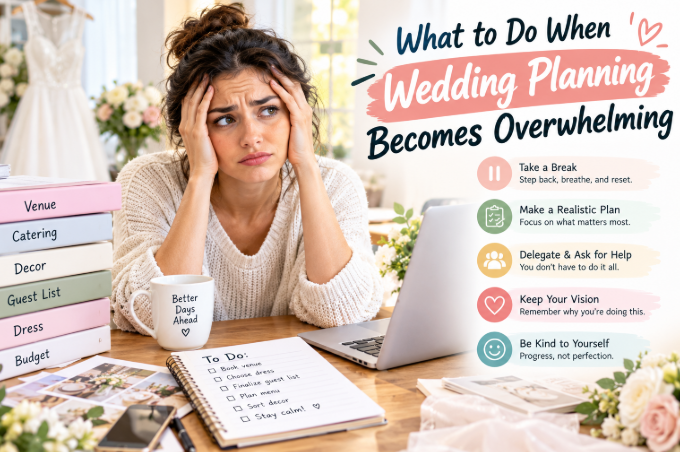
If your wedding planning already feels overwhelming, organizing the photography timeline in advance can remove one more decision from the day. You may also find these tips for handling wedding planning overwhelm useful.
11. Consider a First-Look Session for Private Moments
A first-look session allows you and your partner to see each other before the ceremony, usually in a quiet location.
It can be a helpful option if you feel uncomfortable being photographed in front of a large group. Instead of having your first emotional reaction captured while guests watch, you can share the moment privately.
Possible first-look photographs include:
- One partner waiting while the other approaches.
- The first reaction when you see each other.
- A hug after seeing each other.
- A quiet conversation.
- Holding hands before walking to the ceremony.
- A few relaxed portraits afterward.
A first look is not necessary for every couple. Some prefer to see each other for the first time during the ceremony. Discuss the choice together and consider your traditions, schedule, and personal preferences.
If you decide to have one, ask your photographer to keep the instructions simple and give you time to enjoy the moment.
12. Take Natural Reception Photographs Without Becoming the Center of Attention
Some couples enjoy their wedding reception but dislike being watched while posing for photographs. If this sounds familiar, plan photographs around activities that are already part of the celebration.
For example:
- Sitting together at your table.
- Talking with family members.
- Laughing with friends.
- Sharing a quiet moment between activities.
- Walking through the reception venue.
- Watching guests enjoy the celebration.
- Dancing together without a formal performance.
You can also arrange a few photographs in a quieter area away from the busiest part of the reception.
If you prefer a relaxed celebration rather than activities that put you in the spotlight, consider wedding reception ideas for couples who dislike attention.
Your photographer should understand which moments you want captured and which situations you would rather avoid. This helps keep the photography experience enjoyable.
13. Prepare a Short, Prioritized Shot List
A shot list helps your photographer understand what matters to you. It is especially useful when you feel nervous because you will not need to make decisions about every photograph on the day.
Your list can include:
Essential couple portraits
- One traditional photograph of both partners.
- One full-length portrait.
- One close-up portrait.
- One natural walking photograph.
- One photograph at your favorite venue location.
Personal moments
- A photograph of your hands together.
- A meaningful detail from your relationship.
- A private moment after the ceremony.
- A photograph showing a special wedding tradition.
Family and group photographs
- Immediate family.
- Parents and siblings.
- Important relatives.
- Close friends.
- Any specific family combinations you want included.
Keep the list manageable. Too many requested photographs can make the day feel like a checklist rather than a celebration.
Share the list with your photographer before the wedding and identify which pictures are essential. This allows them to plan the session and avoid repeatedly asking you what to do next.
14. Practice Before the Wedding Without Turning It Into Homework
You do not need to spend hours learning poses, but a little preparation can help you feel less uncertain.
Try taking a few casual photographs together before the wedding. Use your phone or arrange an engagement session with your photographer.
Notice which situations feel comfortable. You may discover that you prefer walking photographs, sitting together, or looking at each other rather than facing the camera.
You can also practice simple habits:
- Relax your shoulders.
- Keep your hands comfortable.
- Avoid holding your breath.
- Stand in a position that feels natural.
- Look at your partner when direct eye contact with the camera feels uncomfortable.
Do not criticize every picture or expect to look perfect. The purpose is to become familiar with being photographed, not to prepare for a performance.
15. Help Your Partner Feel Comfortable Too
Sometimes one partner enjoys photography while the other feels nervous. This difference can make the session uncomfortable for both people.
Talk about your concerns before the wedding. Avoid teasing your partner about their expressions, posture, or discomfort.
During the session, focus on each other rather than constantly checking whether the photographer is taking pictures.
You can help by:
- Giving your partner a reassuring smile.
- Holding their hand.
- Making a gentle joke.
- Talking about something familiar.
- Taking a short break when needed.
- Avoiding comments about how they look in every photograph.
If one person becomes uncomfortable, do not force them to continue. A short pause can make a meaningful difference.
Remember that the goal is to capture your relationship, not to make either partner behave like a professional model.
16. Reduce Pressure From Guests and Family Members
Wedding photography can become stressful when relatives or friends keep giving instructions. Someone may ask you to smile, suggest another pose, or request additional photographs while the photographer is working.
Although most people mean well, too many voices can make you feel self-conscious.
Set expectations before the wedding. Let close family members know that you have arranged the photography schedule with your photographer.
You can also:
- Ask one trusted person to help organize family photographs.
- Keep group photographs separate from couple portraits.
- Avoid allowing guests to interrupt planned sessions.
- Let your photographer direct the photography.
- Take private portraits away from the crowd when possible.
If family expectations are already creating pressure during wedding planning, you may find this guide helpful: how to handle family guest list pressure without hurting feelings.
You do not have to accommodate every photography request during the wedding. Prioritize the photographs that matter most to you.
17. Choose Privacy if Being Watched Makes You Nervous
Some couples are comfortable with a photographer but become awkward when guests are watching. If that happens, ask for a private photography session.
A quiet location can help you relax and interact naturally without feeling that everyone is observing you.
You might arrange:
- Couple portraits before guests arrive.
- A first-look session in a private area.
- A short session away from the reception.
- Outdoor photographs in a less crowded location.
- A few portraits after the ceremony while guests are occupied.
If you prefer privacy, communicate this clearly when planning the schedule.
You can also ask your photographer to avoid directing you loudly or drawing attention to the session. Small adjustments in how the photographer works can make the experience much more comfortable.
18. Do Not Force Smiles or Expressions
One of the most common problems for camera-shy couples is trying too hard to look happy.
When someone repeatedly says, "Smile!" you may become more conscious of your expression. The result can look less natural than your normal face.
Instead of forcing a smile:
- Think about a happy memory.
- Look at your partner.
- Have a conversation.
- Laugh at something genuinely funny.
- Take a moment to relax before the next picture.
Not every photograph needs a big smile. A calm expression, a gentle laugh, or a thoughtful look can create a beautiful portrait.
If you are uncomfortable with direct eye contact, look slightly away from the camera or focus on your partner. Your photographer can guide you toward expressions that feel natural.
19. Use Gentle Physical Contact to Make Poses Feel Natural
Physical contact can help couples feel less awkward because it gives them something familiar to do.
You do not need dramatic romantic poses. Small gestures can look natural and meaningful.
Try:
- Holding hands.
- Resting a hand on your partner's arm.
- Putting an arm around their waist.
- Leaning gently against each other.
- Touching foreheads.
- Holding hands while sitting together.
- Resting your head on your partner's shoulder.
Choose gestures that reflect how you normally interact. If you rarely pose with your arms around each other, do not force an elaborate embrace just because it appears in a photography guide.
Comfort matters more than copying a particular style.
20. Find Poses That Work With Your Height and Body Position
Couples sometimes feel awkward because they are unsure how to stand together, especially when there is a noticeable height difference.
The solution is not to make both partners stand in an unnatural position. Small adjustments can help create balanced photographs.
Ideas include:
- Standing slightly at an angle rather than directly side by side.
- Sitting together for a few portraits.
- Walking while holding hands.
- Having the taller partner lean slightly toward the other.
- Using a staircase or natural change in ground level.
- Taking close-up photographs where height differences are less noticeable.
Your photographer can suggest suitable angles and positions based on your height, outfits, and surroundings.
The most important thing is to avoid positions that cause discomfort. You should not have to hold an awkward posture for several minutes just to achieve a particular photograph.
21. Plan Comfortable Photography for Different Physical Needs
A good photography plan should work for both partners, including anyone who has mobility limitations, fatigue, pain, or difficulty standing for long periods.
Not every wedding portrait needs to be taken while standing.
Consider:
- Seated portraits on a comfortable bench.
- Photographs near an accessible venue entrance.
- Shorter sessions with breaks.
- Locations that do not require long walks.
- Natural photographs while sitting together.
- A photographer who can adjust angles and positioning.
Tell your photographer about any practical requirements before the wedding. They can plan suitable locations and avoid unnecessary movement.
Comfortable photography is not a compromise. It allows you to enjoy the session and gives you photographs that reflect your day without unnecessary stress.
22. Prepare for Weather and Outdoor Photography Changes
Outdoor wedding photographs can be beautiful, but weather is not always predictable. Rain, strong sunlight, wind, heat, and cold can affect both the photographs and your comfort.
Have a backup plan with your photographer.
For example:
- Identify an indoor location with attractive lighting.
- Keep umbrellas available for light rain.
- Choose a shaded area for photographs in strong sunlight.
- Allow time to fix hair and clothing after windy conditions.
- Avoid scheduling long outdoor sessions in uncomfortable temperatures.
If the weather changes, do not feel that the entire photography plan has failed. Your photographer can often find alternative locations or adjust the schedule.
A flexible plan is especially helpful for couples who already feel nervous about being photographed. You will have fewer last-minute decisions to worry about.
23. Select Photographs That Reflect Your Relationship
After the wedding, you may receive hundreds of photographs. You do not need to include every picture in your final album.
Choose photographs that show your personalities and the moments you want to remember.
Include a mixture of:
- Traditional portraits.
- Candid interactions.
- Family photographs.
- Ceremony moments.
- Close-up details.
- Venue photographs.
- Natural pictures from the reception.
Do not select photographs only because they look like popular wedding poses. A slightly imperfect picture may be more meaningful if it captures a genuine moment between you.
You can also ask your photographer to recommend a balanced selection for the album. They may notice expressions and interactions that you did not pay attention to on the wedding day.
24. Avoid Common Wedding Photography Mistakes
A few simple mistakes can make photography more stressful than it needs to be.
Trying too many poses: Repeating complicated poses can make you tired and uncomfortable. Choose a small number of simple options.
Copying every photograph from social media: Inspiration is useful, but not every pose will suit your personalities or venue.
Leaving no time for portraits: A rushed schedule can create unnecessary pressure. Reserve a realistic amount of time.
Inviting too many people into the session: Too many suggestions can make it difficult to relax. Let the photographer direct the session.
Ignoring your comfort level: You should not feel forced to smile, kiss, dance, or pose in a way that does not feel natural.
Not discussing preferences in advance: Your photographer cannot know what makes you uncomfortable unless you explain it.
Overlooking backup locations: Weather, lighting, and venue restrictions can change the plan. Have alternatives ready.
Trying to make every photograph perfect: Wedding pictures should preserve memories, not create another source of stress.
25. Communicate Clearly With Your Photographer Before the Wedding
Good communication can prevent many photography problems.
Before the wedding, explain what makes you uncomfortable and what kind of photographs you prefer. Be specific rather than simply saying that you are camera-shy.
For example, you could say:
"We are not very comfortable posing for photographs. We prefer natural pictures, simple instructions, and candid moments. We would like a few traditional portraits, but we do not want a long session full of complicated poses."
You can also share examples of photographs you like. Explain what you appreciate about them, whether it is the natural expressions, lighting, composition, or relaxed interaction.
Discuss these details in advance:
- Your preferred photography style.
- The number of formal couple portraits.
- Locations you would like to use.
- Whether you want a first-look session.
- How much privacy you prefer.
- Any physical or accessibility requirements.
- Important family photographs.
- Your expected photography schedule.
A clear conversation helps the photographer prepare a plan that suits you instead of relying on assumptions.
Frequently Asked Questions
1. How do you take natural wedding photos if you are camera-shy?
Choose a photographer who understands camera-shy couples, focus on simple poses, and include activities such as walking or talking. Looking at your partner instead of the camera can also help. The most important thing is to avoid forcing expressions or complicated positions.
2. What are the best wedding photo poses for awkward couples?
Simple poses usually work best. Try holding hands, walking together, sitting side by side, looking at each other, or standing with one partner's arm around the other. Choose positions that feel comfortable rather than copying elaborate poses.
3. How can I stop feeling awkward during wedding photography?
Talk to your photographer before the wedding, practice a few casual photographs, and allow yourself time to become comfortable. Focus on your partner rather than the camera. Short breaks can also help if you begin feeling overwhelmed.
4. Should camera-shy couples choose candid wedding photography?
Candid photography is often an excellent choice because it captures natural interactions instead of requiring constant posing. However, a combination of candid photographs and a few traditional portraits usually creates a more complete wedding album.
5. How many couple portraits should we take at our wedding?
There is no fixed number. Focus on the photographs that matter most to you, including a traditional portrait, a full-length picture, a close-up, and a few natural interactions. Your photographer can recommend a suitable number based on your schedule and preferences.
6. Is an engagement photo session useful for camera-shy couples?
Yes. An engagement session allows you to become familiar with the photographer before the wedding. You can practice simple poses, understand how the photographer gives directions, and discover which photography styles feel comfortable.
7. What should we do with our hands in wedding photographs?
Hold your partner's hand, rest a hand gently on their arm, place an arm around their waist, or let your hands rest naturally while standing. Avoid holding your hands stiffly or trying to create complicated positions.
8. How can we look natural in wedding photographs without smiling?
You do not need to smile in every picture. Look at your partner, enjoy a quiet moment, or focus on something meaningful. Calm expressions and genuine interactions can look just as beautiful as big smiles.
9. How can we take wedding photos without guests watching?
Arrange a private session before the ceremony, choose a quiet location, or schedule portraits while guests are occupied. Tell your photographer that you prefer privacy so they can plan accordingly.
10. Should we have a first look if we feel uncomfortable in front of people?
A first look can be helpful because it allows you to share a private moment before the ceremony. It may also provide an opportunity to take portraits without guests watching. However, the decision should reflect your personal preferences and traditions.
11. What if one partner likes photographs and the other does not?
Discuss your preferences before the wedding and agree on a reasonable photography plan. Keep the session manageable, choose simple poses, and avoid pressuring the less comfortable partner. A few meaningful photographs are better than an unnecessarily stressful session.
12. How long should wedding couple photography take?
The time depends on the number of portraits, locations, lighting, and schedule. A focused session with a few essential poses and natural interactions may be enough for many couples. Ask your photographer to recommend a realistic duration rather than planning an unnecessarily long session.
13. Can we take beautiful wedding photographs without kissing or romantic poses?
Absolutely. Holding hands, walking together, laughing, sitting side by side, and looking at each other can create meaningful photographs. Your pictures should reflect your comfort level and relationship rather than follow a fixed set of poses.
14. What should we tell our wedding photographer if we are camera-shy?
Explain that you prefer natural photographs, simple instructions, and short sessions. Mention any poses or situations that make you uncomfortable. Sharing example photographs can help the photographer understand your preferred style.
15. How can we avoid looking stiff in wedding photographs?
Relax your shoulders, breathe normally, move gently, and interact with your partner. Walking and talking can help you avoid holding the same position for too long. Your photographer can guide small adjustments without making you feel overly posed.
16. What if we do not like most of our wedding photographs?
Talk to your photographer about your concerns and explain which types of pictures you prefer. If you have not yet had the wedding, arrange an engagement session to identify your preferences in advance. After the wedding, select photographs that feel meaningful rather than focusing only on whether every pose looks perfect.
17. Can we request fewer formal wedding portraits?
Yes. You can discuss a smaller number of formal portraits with your photographer and prioritize candid moments, family photographs, and natural interactions. Make sure you still include any essential pictures you would like to keep.
18. What if we feel uncomfortable being photographed for a long time?
Ask for a shorter session with breaks. Prioritize essential portraits and avoid unnecessary location changes. You can also divide photography into smaller sessions throughout the day if your schedule allows.
19. Do wedding photographs have to look perfectly posed?
No. Wedding photographs are meant to preserve memories and relationships. Natural expressions, small imperfections, and genuine moments can make an album more personal than a collection of perfectly arranged poses.
20. Can a photographer help us pose if we have no experience?
Yes. A professional photographer should be able to give simple instructions and help you find comfortable positions. You do not need previous modeling experience or knowledge of photography poses.
Conclusion
Feeling awkward in front of a camera does not mean you cannot have beautiful wedding photographs. You simply need an approach that allows you to feel comfortable and behave naturally.
Choose a photographer who listens to your concerns, keep your poses simple, and include activities such as walking, talking, and holding hands. Plan a manageable photography schedule, select quiet locations when needed, and communicate your preferences before the wedding.
Most importantly, remember that your wedding photographs do not need to look like anyone else's. They should reflect your personalities, your relationship, and the moments you want to remember.
You do not have to become comfortable with every camera angle or pose. You only need a photography experience that lets you enjoy the day and gives you genuine memories to look back on.